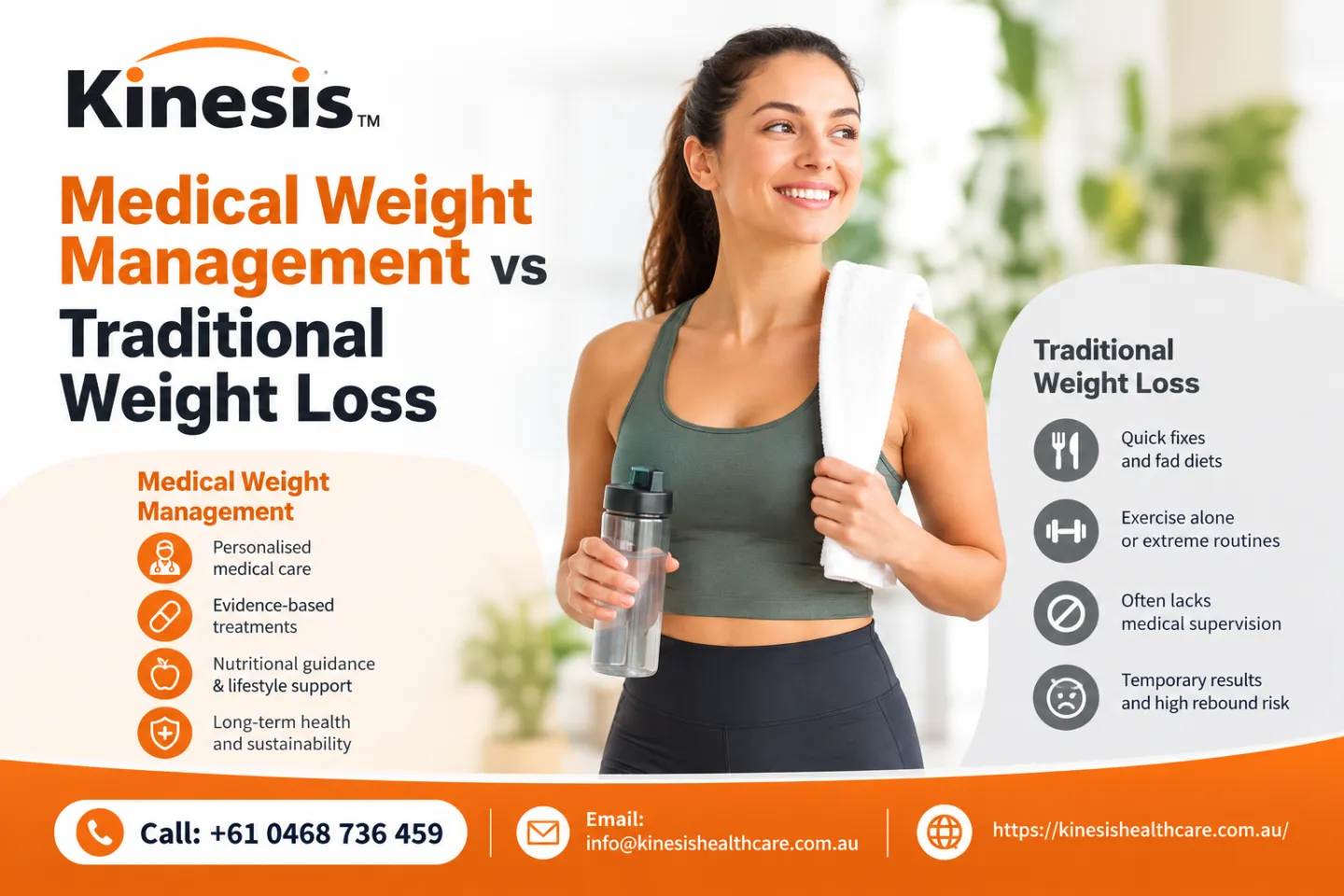
AI Summary: Medical weight management combines nutrition, exercise, behaviour support, and medical guidance. Traditional weight loss usually focuses on diet, calorie control, and physical activity. Medical approaches can be tailored to individual health needs and weight-related conditions. A medical gym can support safe exercise and strength-building during weight loss. The best approach depends on your health, goals, lifestyle, and ability to maintain results. Introduction Losing weight can look simple, but maintaining healthy weight loss is often more difficult. Traditional weight loss usually involves eating fewer calories, exercising more or following a specific diet plan. Medical weight management takes a broader approach. It considers your health, lifestyle, nutrition, exercise, behaviour and other factors that may affect weight. The goal is not only to lose weight but also to build healthier habits and support long-term wellbeing. Understanding the difference between these approaches can help you choose a suitable path based on your individual needs, health goals, and professional advice. What Is Medical Weight Management? Medical weight management is a structured approach to managing weight with professional healthcare support. It looks at more than food and exercise. A program may consider your medical history, current health, lifestyle, nutrition, activity levels, and weight-related concerns. Your plan can then be adjusted according to your progress and needs. At Kinesis™ Healthcare, medical weight management can bring different areas of support together, including nutrition, exercise, strength training, and behaviour-focused guidance. Who Can Benefit From Medical Weight Management? It may be helpful for people who: Have struggled with repeated weight loss and regain Have weight-related health concerns Need professional guidance with nutrition and exercise Want to improve strength and physical fitness while losing weight Need a structured and monitored approach The right plan should always be based on individual circumstances rather than a one-size-fits-all program. How Does Traditional Weight Loss Work? Traditional weight loss generally focuses on changing eating and activity habits. Common methods include reducing calorie intake, exercising regularly, controlling portions, or following a particular diet. For some people, these changes can produce good results. However, maintaining them may become difficult when diets are too restrictive or do not fit everyday life. Traditional weight loss is not necessarily ineffective. The main challenge is finding an approach that a person can realistically follow for the long term. What Is the Difference Between Medical and Traditional Weight Loss? The biggest difference is the level of professional assessment and support. Traditional weight loss is often self-directed. A person may choose a diet, exercise routine, app, or online program and manage the process independently. Medical weight management takes a more comprehensive approach. Professionals can assess different factors affecting weight and create a plan around the person’s health and goals. Here is a simple comparison: Traditional Weight Loss Often self-directed Usually focuses on diet and exercise May use calorie reduction Less individual medical monitoring Results can depend heavily on long-term diet adherence Medical Weight Management Guided by qualified professionals Considers overall health and lifestyle Can combine nutrition, exercise, and behaviour support Progress can be reviewed and adjusted May address weight-related health concerns alongside weight goals Can a Medical Gym Help With Weight Management? Yes. A medical gym can provide a structured environment for people who need professional support while becoming more active. Exercise is important during weight management because losing weight should not mean losing physical strength. A suitable exercise program can include strength training, cardiovascular activity, mobility work, and other exercises based on an individual’s ability. The focus should be on building fitness safely and consistently rather than simply exercising as much as possible. What Are Health and Wellbeing Programs? Health and wellbeing programs can support several areas of a person’s health instead of focusing only on body weight. Depending on the program, support may include: Nutrition education Exercise and strength training Lifestyle guidance Behaviour support Health monitoring Goal setting and progress reviews This broader approach can make weight management more practical because healthy weight is connected to everyday habits, physical activity, sleep, stress and overall wellbeing. Is Medical Weight Management Available in Werribee and Manor Lakes? People searching for medical weight management Werribee may be looking for a structured local option that combines professional health support with exercise and lifestyle guidance. Similarly, those searching for medical weight management Manor Lakes may want convenient access to a program that fits their routine and individual health needs. Local availability, services, and suitability can vary. It is best to speak with a qualified healthcare professional to understand which options are appropriate for you. Which Approach Is Better for Long-Term Weight Management? There is no single answer for everyone. Someone with a straightforward weight goal may benefit from improving their diet, increasing physical activity, and developing sustainable habits. Another person may need more structured support because of health concerns, repeated weight regain, physical limitations, or difficulty achieving results independently. The most useful approach is one that is safe, realistic, personalised, and sustainable. Medical weight management can provide additional professional support when standard lifestyle changes alone are not enough. How Can Kinesis™ Healthcare Support Your Goals? Kinesis™ Healthcare focuses on supporting healthier lifestyle changes through a combination of professional guidance, exercise, nutrition, and wellbeing support. If you are considering a structured approach, discuss your goals and health history with the team before starting a program. This can help determine what type of support may be suitable for you. Call: +61 0468 736 459 Email: info@kinesishealthcare.com.au FAQs – Q. What does medical weight management include? A. It may include professional nutrition guidance, exercise, behaviour support, health assessments, progress monitoring and other suitable interventions based on individual needs. Q. Is medical weight management the same as dieting? A. No. Dieting often focuses mainly on food and calorie intake. Medical weight management can consider nutrition alongside exercise, behaviour, health conditions and other factors affecting weight. Q. Can beginners join a medical gym? A. Yes. A medical gym can be suitable for beginners when exercise is appropriately planned around their fitness level, health, and physical abilities. Q. How
How Can Orthopaedic Physiotherapy Help You Recover From an Injury?
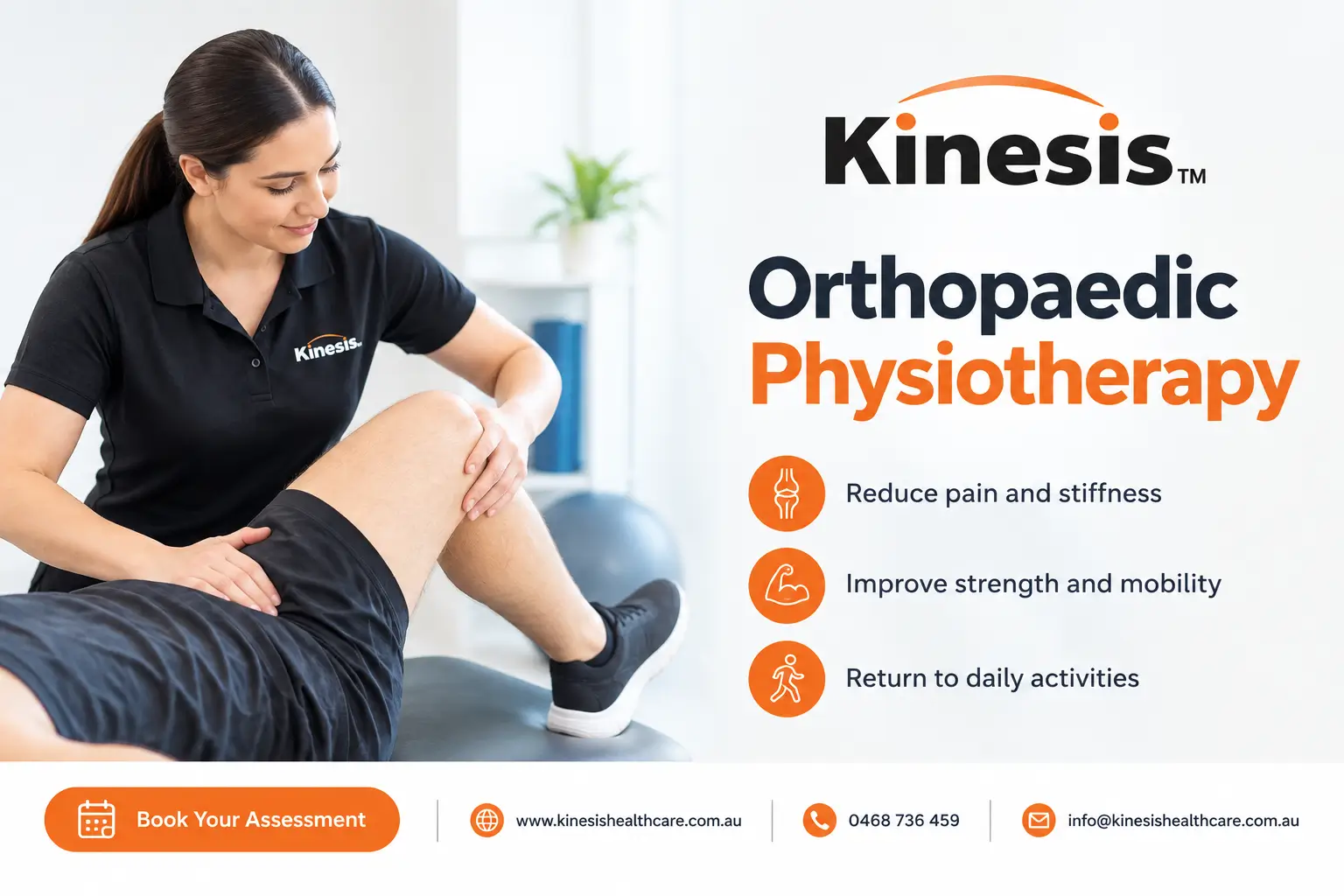
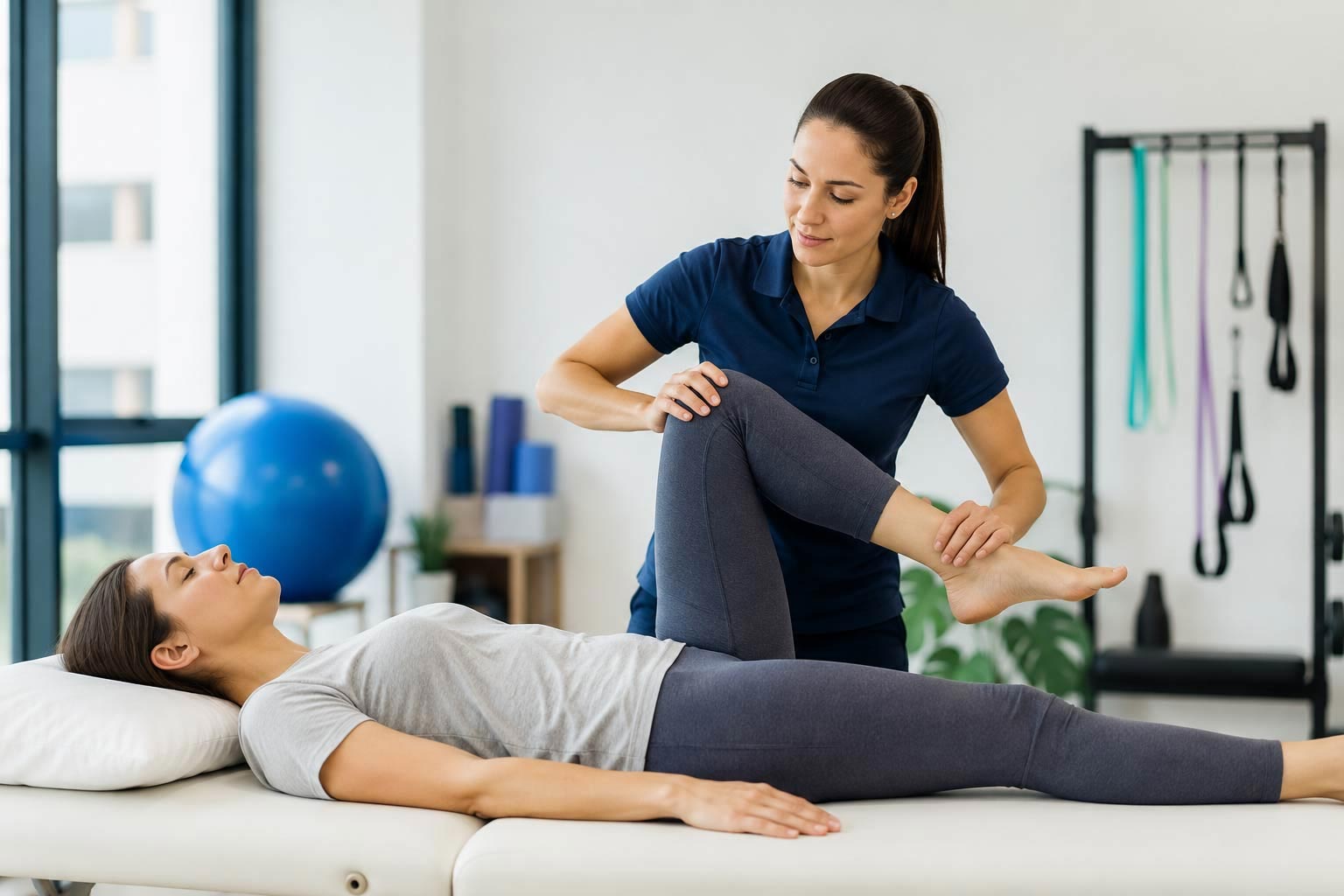
Recovering from an injury involves more than waiting for pain to settle. Whether you are preparing for surgery, recovering from an injury or returning to daily activities, structured rehabilitation can help restore movement, strength, and physical function. Orthopaedic physiotherapy provides targeted support before and after surgery and for musculoskeletal conditions affecting movement. Treatment can be tailored to your condition, recovery stage, physical abilities and individual goals. How Can Physiotherapy Support Injury Recovery? Effective rehabilitation begins with understanding your condition and identifying factors that may be affecting your movement. A physiotherapist may assess strength, joint mobility, balance, gait and functional movement before recommending an appropriate treatment approach. Depending on your condition, rehabilitation may focus on: Managing pain, swelling and stiffness Restoring joint mobility and flexibility Improving muscle strength and endurance Developing balance and coordination Gradually increasing physical activity Supporting a safe return to work, exercise or sport Your rehabilitation program can be adjusted as your strength and mobility improve. Regular assessments can help ensure that exercises and activities remain appropriate throughout your recovery. What Happens Before and After Surgery? Rehabilitation can start before surgery to help improve strength, mobility and physical capacity. This preparation, often called prehabilitation, can also help you understand movement restrictions, use of mobility aids and how to manage everyday activities during the early recovery period. After surgery, rehabilitation is planned according to the procedure, healing requirements and advice from your surgical team. Treatment may include: Assessing movement, swelling, strength and mobility Reviewing the surgical procedure and rehabilitation plan Monitoring walking and functional movement Introducing suitable strengthening exercises Improving joint mobility and movement control Gradually progressing activities as recovery improves The pace of rehabilitation differs from person to person. Exercises and activities should be progressed based on your recovery, clinical assessment and how your body responds to treatment. Can Allied Health Services Support Your Recovery? Recovery can involve more than physical rehabilitation. Allied health services may provide additional support when factors such as exercise capacity, nutrition, psychological wellbeing or other health considerations affect recovery. A multidisciplinary approach can bring different areas of care together when appropriate. This may help address physical, nutritional, behavioural and lifestyle factors that could influence rehabilitation. Depending on your circumstances, additional support may include: Exercise programs for strength and conditioning Nutritional guidance based on individual requirements Psychological support for health-related challenges Exercise physiology for physical conditioning Guidance for returning to regular activity Not everyone requires multiple forms of healthcare. The most appropriate support will depend on your condition, treatment objectives and individual recovery requirements. Where Can You Access Physiotherapy in West Melbourne? Access to physiotherapy can help you attend regular appointments and stay consistent with your rehabilitation plan. Physiotherapy West Melbourne can support people recovering from injuries, surgery, mobility concerns and other musculoskeletal conditions. When choosing a provider, consider their experience, assessment process and treatment approach. It is also helpful to understand how your rehabilitation program will be adjusted as your strength, mobility and functional abilities improve. What Should You Consider When Starting Rehabilitation? Starting rehabilitation with a professional assessment can help identify your movement limitations, recovery goals and appropriate treatment needs. If you are looking for a physio near me Werribee, consider factors such as location, clinical experience and whether the treatment plan can be tailored to your condition. A structured rehabilitation plan can also help you understand how to progress activities safely and when additional support may be needed. Start Your Recovery With Kinesis Healthcare Kinesis™ Healthcare provides physiotherapy and multidisciplinary healthcare support across Melbourne’s West. To discuss your rehabilitation needs or arrange an assessment, call 0468 736 459 or email info@kinesishealthcare.com.au. FAQs – Q. What conditions can orthopaedic physiotherapy help manage? A. It may support recovery from musculoskeletal injuries, orthopaedic conditions and surgery by addressing movement, strength, mobility and physical function. Q. Can physiotherapy start before surgery? A. Yes. Prehabilitation may help improve physical capacity, mobility and confidence before an operation and prepare you for the early stages of recovery. Q. How long does post-surgical rehabilitation take? A. Recovery varies according to the procedure, healing progress, individual health factors and rehabilitation requirements. Your healthcare professional can provide guidance based on your circumstances. Q. What happens during an initial physiotherapy assessment? A. An assessment may include a discussion of your symptoms and medical history, evaluation of movement and strength, identification of functional limitations and development of appropriate rehabilitation goals. Q. Can exercise be part of rehabilitation after surgery? A. Yes. Therapeutic exercises are commonly used to restore strength, mobility and function. Exercises should be selected and progressed according to your procedure, healing stage and clinical recommendations.
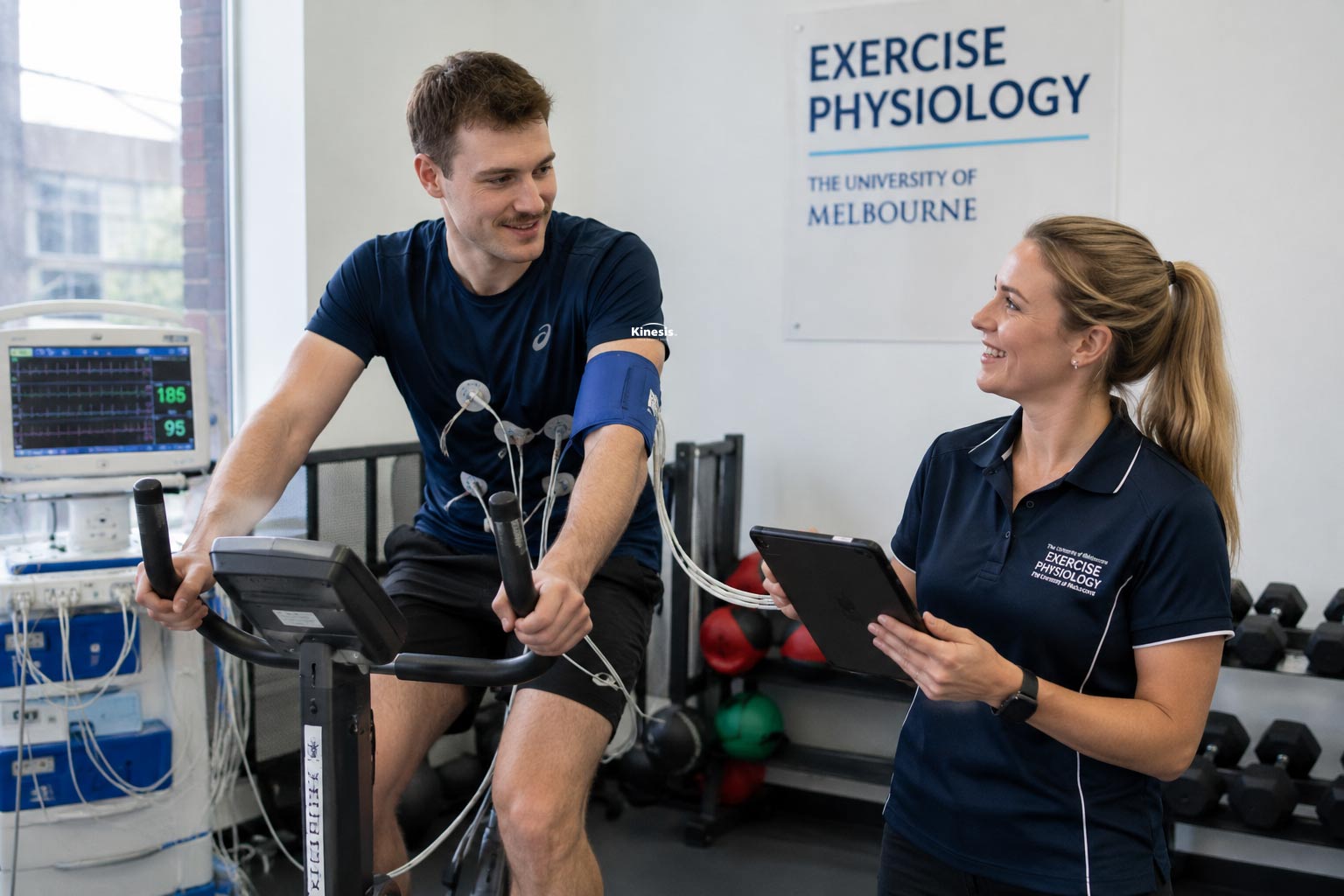
Exercise Physiology
Clinically supervised exercise programs for chronic conditions, rehabilitation and strength — built and progressed around your goals.

Allied Health
Collaborative care from experienced health professionals including exercise physiology and rehabilitation support.

Paediatric Physiotherapy
Gentle, activity and play-based therapy to help children move, grow, and thrive.
Physiotherapy
Recover from pain, injury, or surgery with targeted, evidence-based treatment.